
If you’ve spent time in a store-first platform like Shopify, it’s easy to think of website builders only as “a shop with some pages around it.” Wix flips that assumption. It treats your site as a whole digital presence-pages, design, content, and store-rather than just a catalog and checkout.
That’s why so many brands and small businesses consider moving from Shopify to Wix when they want more creative freedom, stronger content, or a site that feels like a real brand hub instead of a storefront template.
This review takes a practical look at Wix: how it works, which features actually matter in day-to-day use, the advantages it offers, and the trade-offs you should know before you switch.
What Wix Is (and How It Differs from Store-First Platforms)
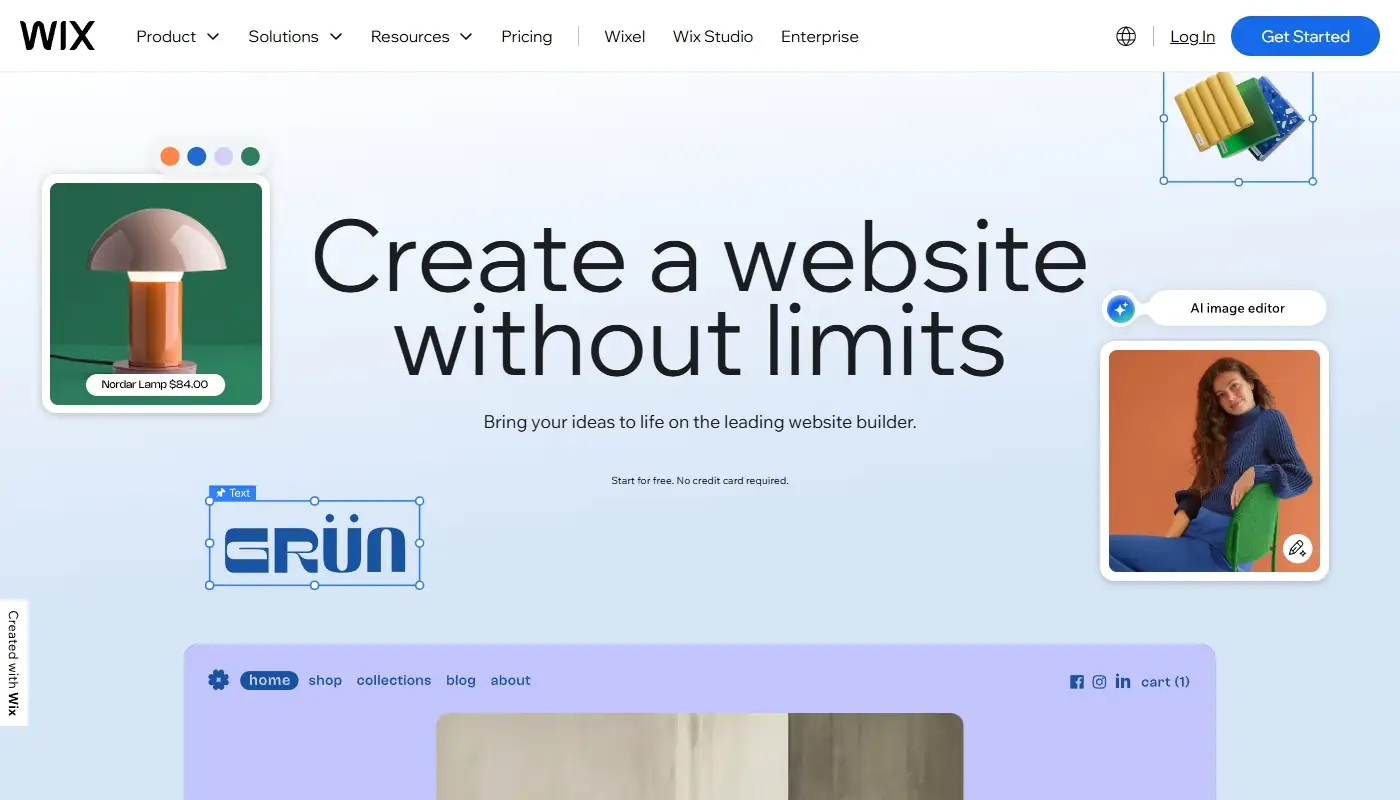
Wix is a hosted website builder with integrated business tools. You sign up in your browser, pick a template or a starting layout, and build your site using a visual editor. Hosting, security basics, and the core platform are bundled into your subscription, so you don’t manage servers or install software.
The key difference from platforms like Shopify is the center of gravity:
- In Shopify, you live in an eCommerce admin panel and your site is shaped around products and checkout.
- In Wix, you live in a visual site editor and your store, blog, bookings, events and other tools all plug into that broader website structure.
You can certainly build serious stores on Wix. But it always treats the site as more than “just a shop,” which is exactly what many brands want once they’ve outgrown purely transactional layouts.
The Editing Experience: Building Pages Visually

The Wix editor is designed so that you feel like you’re working on the page, not in a separate control panel. You see your layout almost as visitors will see it, then adjust:
- Sections (hero blocks, feature grids, testimonials, contact areas).
- Elements within those sections (text, buttons, images, galleries, forms).
- Global design settings such as fonts, colors and spacing.
You can start from a pre-designed template or from a more minimal base and add sections as needed. For a lot of business owners coming from Shopify’s theme customizer, the main difference is how freeform Wix feels: instead of a fairly rigid theme layout with a limited list of configurable sections, you have a canvas where you can combine and adjust blocks much more flexibly.
This flexibility does come with responsibility. It’s easier to make something that looks truly custom and on-brand-but also easier to overdo it if you don’t keep an eye on consistency. Still, for anyone who has felt boxed in by storefront templates, the Wix editing experience is a big part of its appeal.
Templates and Design Options
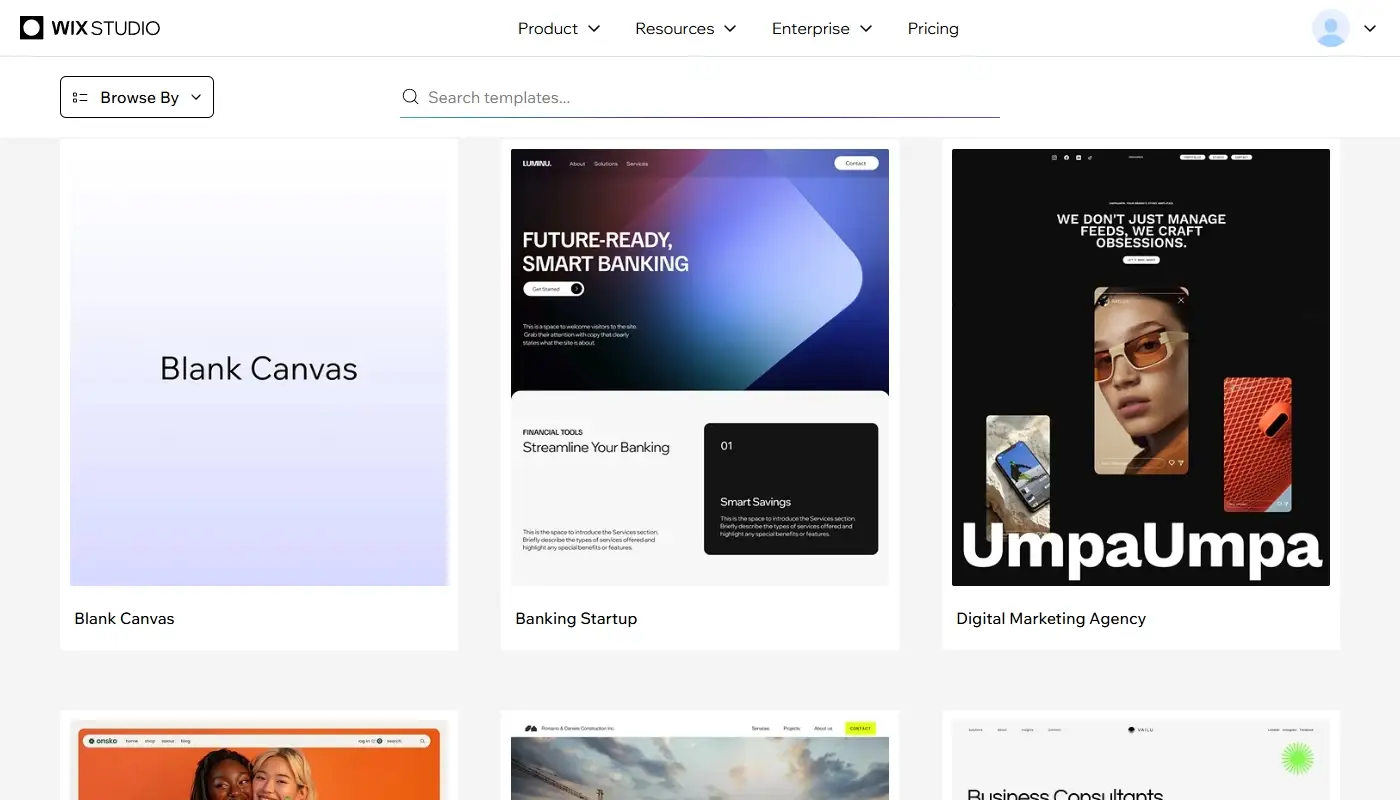
Wix includes a large library of templates for different industries and use cases: service businesses, creative portfolios, restaurants, coaches, online stores, and more. Each template generally comes with a ready-made homepage plus essential inner pages (like About, Services, Contact, and sometimes a blog or shop).
From there, you adapt the design rather than starting from zero. You swap in your content, adjust brand colors and typography, and remodel sections to match your messaging. You can also mix elements from different templates by adding new sections and layouts, so you’re not locked into the exact structure you chose at the beginning.
For brands moving from Shopify, this often feels like the biggest upgrade: instead of squeezing your story into a catalog-centric layout, you can build a homepage that leads with narrative, visuals, and social proof, then naturally introduces products or services.
Comprehensive Shopify Review: Main Benefits, Drawbacks and Core Functionality
Business Features: Store, Bookings, Blog, and More
Wix is not “just” a pretty editor. Under the surface, it includes a collection of business tools that you can enable as needed.
Online Store
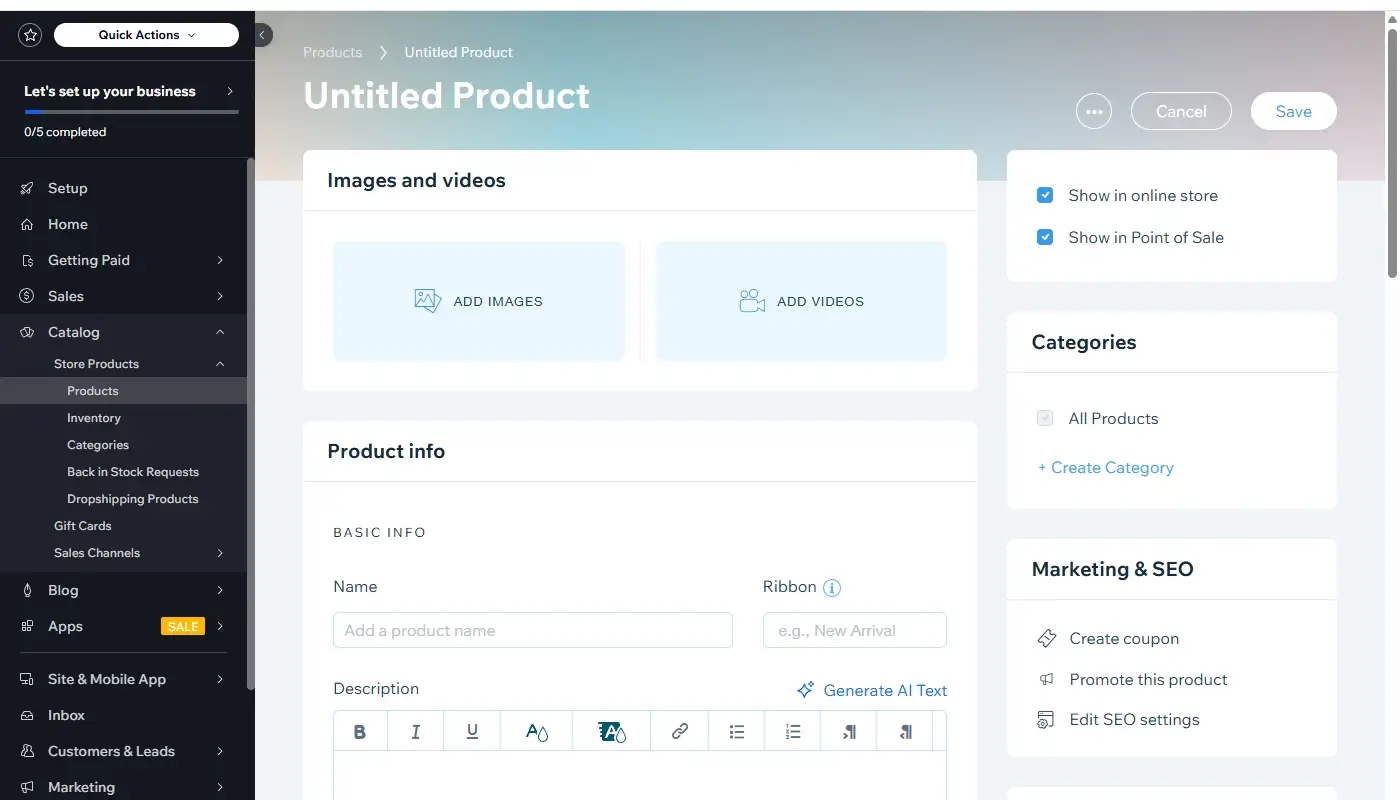
Wix eCommerce lets you create products with variants, prices, descriptions, and media, then organize them into collections and categories. You have a standard cart and checkout, inventory tracking, and settings for taxes and shipping. This is more than enough for many small–mid stores, especially those where products are one part of what the business offers (for example, a studio that sells a few physical items, a coach with a mix of services and digital products, or a local bakery with a small catalog of items to pre-order).
Bookings and Services
If you sell time rather than physical goods, Wix’s bookings tools let you set up services, time slots, online and offline appointments, and in some cases classes or group sessions. Visitors can see availability, choose a slot, and book directly on your site. For service-based businesses moving from a product-centric platform, this can feel much more natural.
Blog and Content
Wix includes a full blogging module. You can write articles, organize them into categories, and display them in different layouts across your site. For a brand that wants to lean into content marketing and SEO, this is critical. Instead of trying to force a blog into a store-first structure, you can treat your blog as a core part of the site, then use internal links and calls to action to bring readers to product or service pages.
Other Modules and Apps
Beyond store, bookings, and blog, you can integrate events, pricing plans, forums, and other features. The Wix App Market provides additional tools for forms, chat, marketing, reviews, and more. The idea is that your site can grow horizontally-new features, new types of pages-without needing a separate platform for each function.
SEO and Performance
Moving from Shopify, many people wonder whether Wix can keep up in terms of search and speed. The reality is that both platforms can perform well enough for most small and mid-sized sites if you use them properly.
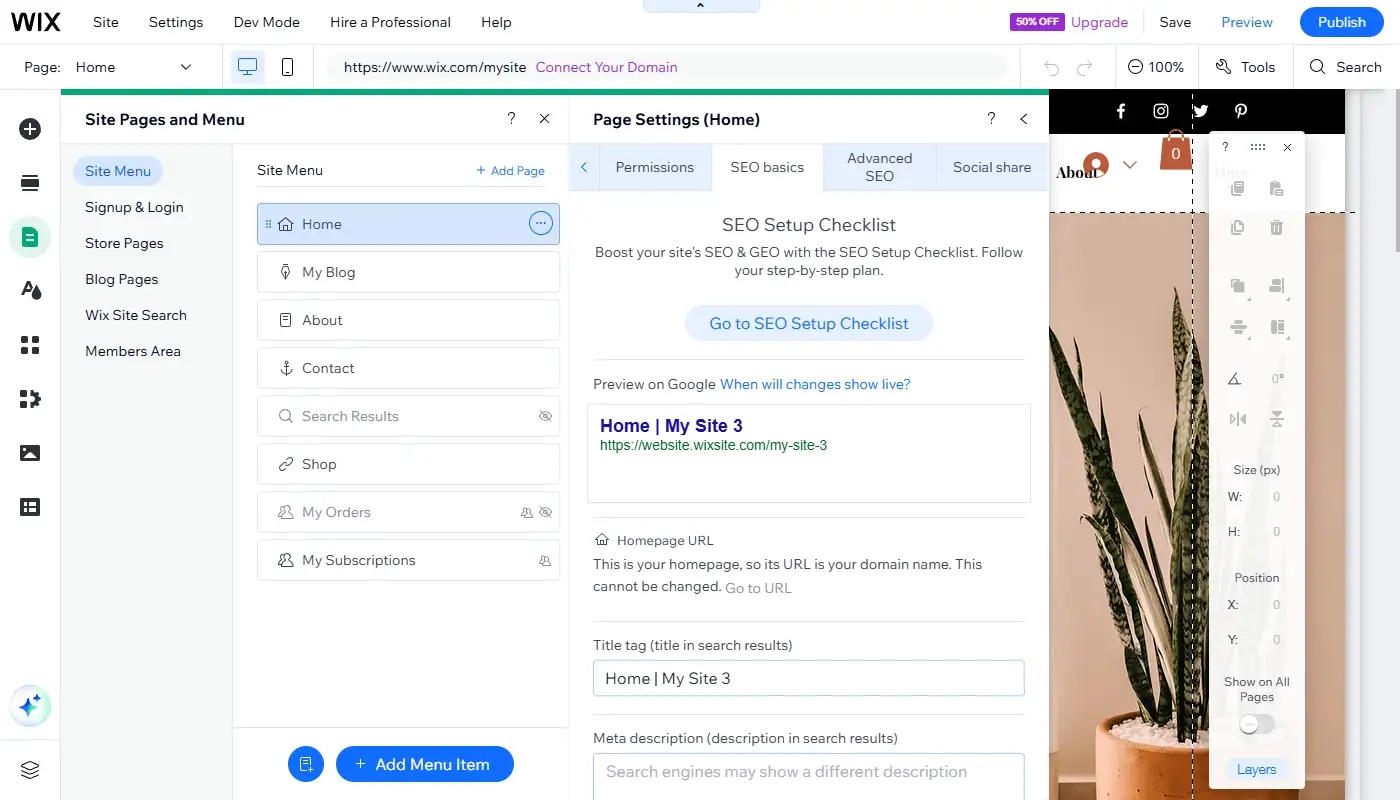
Wix gives you control over titles, meta descriptions, URLs (within reasonable limits), image alt text, and headings. It automatically generates basic sitemaps and lets you connect to Google Search Console and analytics. You can structure content logically with main pages, subpages, and blog categories, and build internal links across posts, services, and store items.
Performance-wise, the platform continues to improve under the hood, but you still need to design responsibly: avoid overloading pages with heavy media, keep the number of third-party add-ons reasonable, and pay attention to image sizes. Wix gives you the tools; your implementation choices still matter.
If you’re coming from a store-first mindset, one of the biggest SEO advantages of Wix is simply how easy it becomes to create supporting content-guides, case studies, resource pages-that help you rank and convert more effectively than relying only on product pages.
Top Shopify Replacement Options: Best Platforms to Move Your Site To
Apps, Integrations and Automations
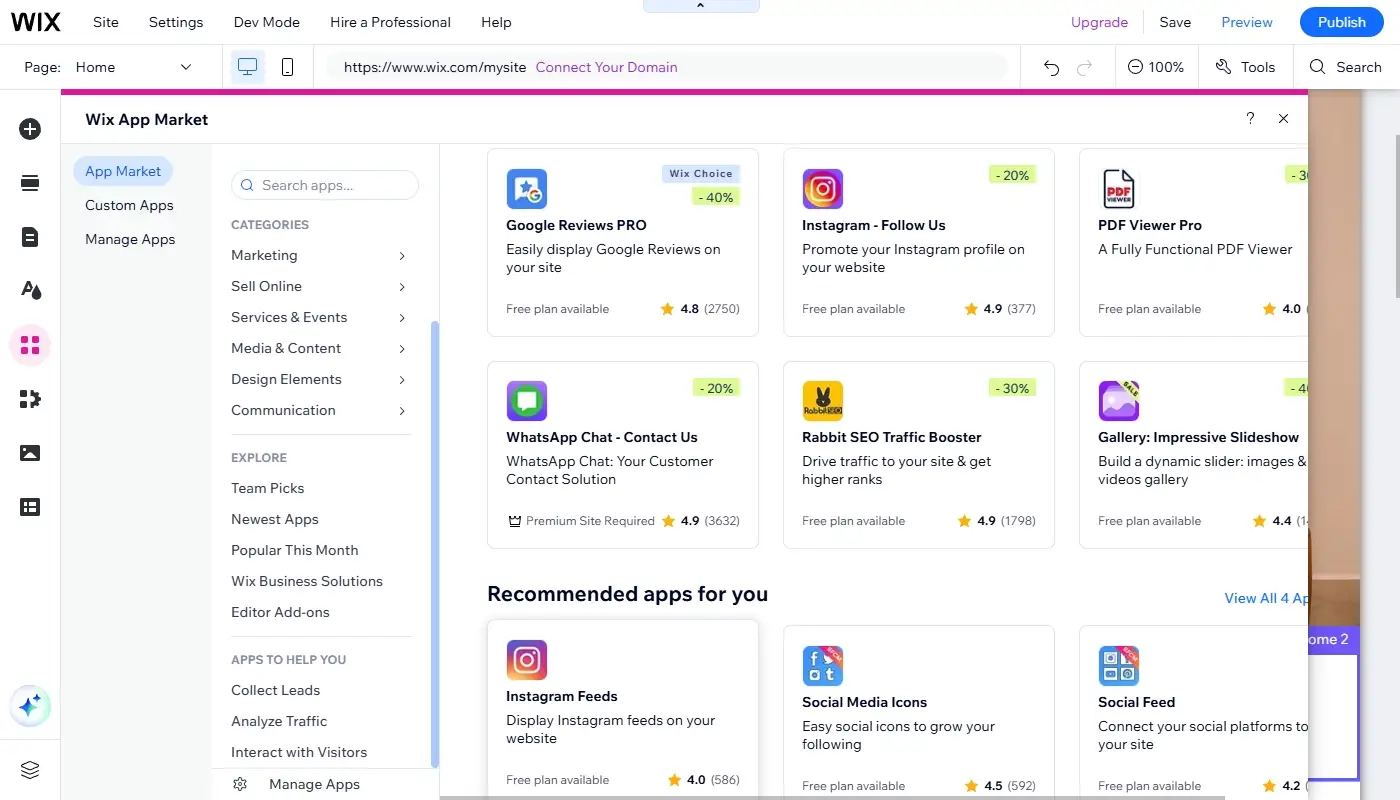
Wix has its own app marketplace where you can plug in extra functionality. You’ll find tools for email marketing, CRM, pop-ups, chat, social feeds, event management, and more. While the ecosystem is not as commerce-specialized as Shopify’s, it covers the typical needs of businesses that combine services, content, and products.
For many, the sweet spot is using Wix’s native tools for the basics and a handful of well-chosen apps or external integrations for more advanced workflows-like connecting to your preferred email platform, CRM, or scheduling system. You’re not forced into a heavy app stack just to get off the ground.
Pricing and Overall Value
Wix uses a tiered subscription model, with plans tuned to different levels of site complexity and business needs. Higher tiers unlock more storage and bandwidth, remove Wix branding, and add business features such as online payments, more advanced eCommerce capabilities, and additional support options.
If you’re comparing directly to Shopify, you’ll probably notice two things:
- For simple–mid complexity sites that mix content and selling, Wix often looks more cost-effective, because many of the tools you need are built-in rather than only accessible via paid apps.
- For very large, specialized stores with heavy app usage and complex operations, pricing becomes less about which platform is “cheaper” and more about which one aligns with your revenue and growth model.
For a lot of service-first or brand-first businesses, Wix hits a pragmatic middle ground: enough power and flexibility to build a serious site and store, without forcing you into a purely retail-centric model or a long chain of add-ons.
Main Advantages of Wix
Pulling the threads together, Wix stands out in a few key ways-especially for people coming from a platform like Shopify.
1. Website-First, Not Just Store-First
Wix is ideal when your site needs to be more than a catalog. If your business lives at the intersection of services, content and products, having a builder that treats all three as first-class citizens makes your life much easier.
2. Strong Visual and Branding Capabilities
The combination of templates, a flexible editor, and design controls makes it easier to build a site that actually looks like your brand, not like “a store theme with your logo.” You can give products and services context, tell stories, and design pages that aren’t just product grids.
3. Good Enough Commerce for Many Real Businesses
While it doesn’t chase every niche commerce feature out of the box, Wix’s online store tools are more than sufficient for a large number of businesses-especially those with modest catalogs, local delivery or shipping, and straightforward pricing. You get a capable store without committing to a platform that assumes retail is your entire world.
4. Integrated Business Tools Under One Roof
Being able to run bookings, events, blog, basic CRM, and store from the same environment reduces complexity. For smaller teams, that matters a lot more than it seems on paper: you’re not jumping between platforms just to update your site, your calendar, and your products.
5. Lower Technical Overhead
As with other hosted builders, you don’t manage servers or core software updates. That frees you to focus on copy, design, and customer experience, rather than on patching, backups, or infrastructure.
Important Trade-Offs and Limitations
Wix is powerful, but it’s not a perfect fit for every scenario.
- If you run a large, pure-play eCommerce operation with complex inventory, multiple warehouses, or advanced B2B needs, a dedicated commerce platform can still make more sense.
- If you want absolute control over hosting, database structure, and every line of front-end code, you may find Wix too opinionated and prefer open-source options.
- If you have a deeply specialized checkout flow or advanced automation needs tied to high-volume retail, you’ll likely outgrow what Wix offers natively and through its current app ecosystem.
These aren’t flaws so much as design decisions. Wix intentionally aims for a balance between power and usability, with a strong emphasis on visual control and all-round business presence.
Who Wix Is Best For (Especially If You’re Coming from Shopify)
Wix is a particularly good fit if you recognize yourself in descriptions like these:
- You run a service or content-led business that sells products or digital goods as part of a broader offer.
- You want your website to act as a brand hub-with pages, blog, portfolio, and store all stitched together coherently.
- You’re tired of feeling boxed in by catalog-focused themes and want more creative control over layout and storytelling.
- You like the idea of a hosted platform, but you don’t want your admin experience to revolve around inventory and orders alone.
If that sounds familiar, Wix isn’t a downgrade from a platform like Shopify-it’s a shift in priorities toward brand, content, and overall experience.
Is Wix the Right Destination for Your Next Stage?
Wix won’t be the perfect answer for every store, but it is a very strong option for businesses that have outgrown a purely store-centric way of thinking about their website. It gives you the tools to build a site that sells, yes-but also a site that explains, educates, convinces, and reflects what your brand is really about.
If you’re feeling limited by rigid storefront templates, if you want more room for content and design, or if your offer is bigger than “a list of products with prices,” moving to Wix can be a meaningful upgrade rather than a sideways step.